News
Solid-State Batteries Are Finally Leaving the Lab — Here’s What Changes
After a decade of promises, solid-state cells are entering pilot production. We break down what the technology actually delivers — and what it does not.
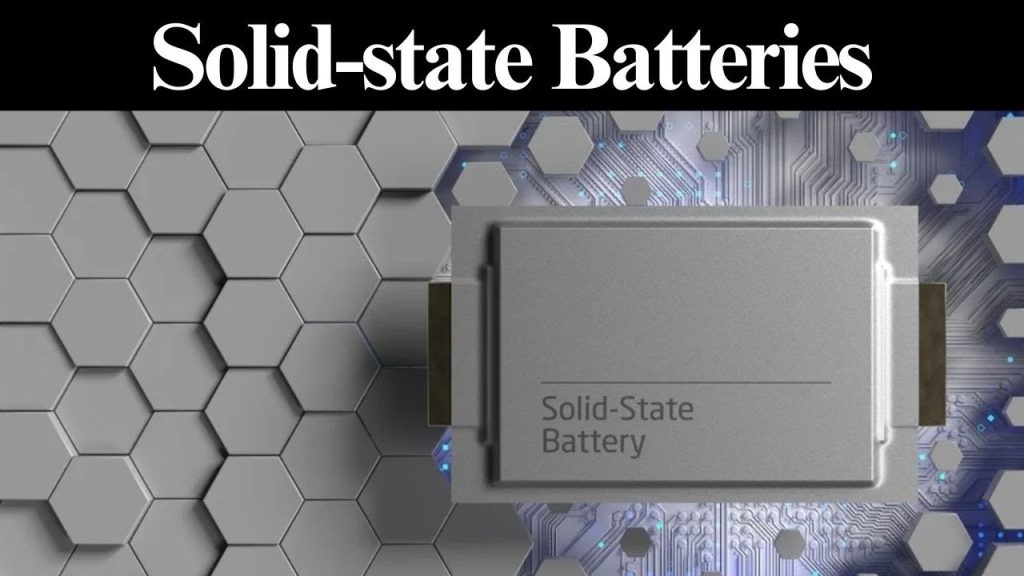
For years, solid-state batteries have occupied the same mythical space as fusion power and flying cars: forever five years away. That is starting to change. Several manufacturers have moved beyond laboratory cells into pilot production lines, and the first vehicles using the technology are scheduled to reach customers within the next two model cycles.
What is actually different
Conventional lithium-ion batteries use a liquid electrolyte to shuttle ions between electrodes. Solid-state cells replace that liquid with a solid material. The change sounds modest but the consequences are significant: higher energy density, faster charging potential, reduced fire risk, and the ability to operate across a wider temperature range.
In plain terms, a solid-state pack of the same size could store substantially more energy, meaning either longer range or a smaller, lighter battery for the same range. For performance cars, the weight saving alone could be transformative.
The catch
Manufacturing is the obstacle. Producing solid electrolytes that remain stable over thousands of charge cycles, at automotive scale and acceptable cost, has defeated engineers for years. The cells now entering pilot lines work, but making them by the millions, reliably and affordably, is a different challenge entirely.
The science is largely solved. The economics and the assembly line are where the real race is now being run.
What it means for buyers
Do not expect solid-state cars to flood showrooms overnight. The first applications will likely be premium models where buyers will pay for the advantages. Costs should fall as production scales, following the same curve that made lithium-ion affordable, but that process takes years rather than months.
The bottom line
Solid-state technology is no longer vapourware, and that alone is a milestone. The cars it enables — lighter, longer-legged, faster to charge — are coming. Just be patient, and be sceptical of any timeline that sounds too confident.