Tech
How Torque Vectoring Actually Works
The technology that lets a car steer with its driven wheels sounds like magic. In reality it is clever, deliberate engineering.
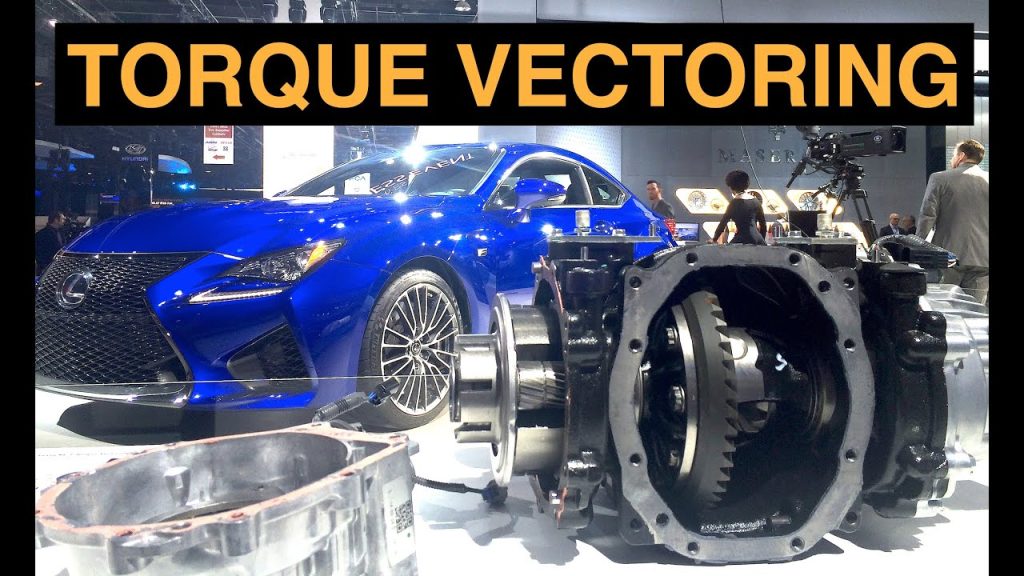
If you have driven a modern performance car through a tight corner and felt it almost pivot around its centre, eager and agile beyond what physics seemed to allow, you have probably experienced torque vectoring. It is one of the most transformative handling technologies of the past two decades, and the principle behind it is surprisingly intuitive.
The basic idea
When a car corners, the outer wheels travel a longer path than the inner ones. Torque vectoring takes advantage of this by sending more power to the outer wheel during a turn. That extra push on the outside effectively helps rotate the car into the corner, sharpening its response and reducing the tendency to understeer.
How it is achieved
There are two main approaches. Brake-based systems gently apply the brake to the inner wheel, creating a difference in speed that nudges the car to turn. More sophisticated systems use clever differentials or, increasingly, individual electric motors to actively direct power to specific wheels. Electric cars are particularly suited to this, since each motor can be controlled independently and instantly.
It does not break the laws of physics — it just uses them more cleverly than a fixed driveline ever could.
Why it matters
The result is a car that feels more agile, more stable and more confidence-inspiring, especially when pushing hard. It can also enhance safety, helping correct a slide before the driver even notices it beginning. As electric powertrains make per-wheel control trivial, torque vectoring is becoming standard rather than exotic.
The bottom line
Torque vectoring is a perfect example of software and hardware working together to make a car better to drive. What once felt like sorcery is now simply good engineering — and it is only going to become more capable.