Guides
Tire Guide: How to Read the Sidewall and Choose the Right Rubber
Those numbers on your tyre's sidewall are a code for everything from size to speed rating. Here is how to decode them and buy wisely.
Tyres are the only part of your car that touches the road, yet most drivers ignore them until something goes wrong. The string of numbers and letters on the sidewall is not random — it is a complete specification of the tyre, and learning to read it puts you in control of one of the most important safety decisions you will make.
Decoding the size
Take a typical marking like 225/45 R18 95Y. The first number, 225, is the tyre’s width in millimetres. The 45 is the aspect ratio — the sidewall height as a percentage of the width. The R means radial construction, and 18 is the wheel diameter in inches. Get these wrong and the tyre will not fit, or will throw off your speedometer and handling.
Load and speed ratings
The 95 is the load index, indicating the maximum weight the tyre can carry. The final letter, Y in this case, is the speed rating. These are not suggestions: fitting a tyre with too low a rating is dangerous and may be illegal. Always meet or exceed the ratings your vehicle’s manufacturer specifies.
A cheap tyre with the wrong rating is the most expensive saving you will ever regret making.
Age matters too
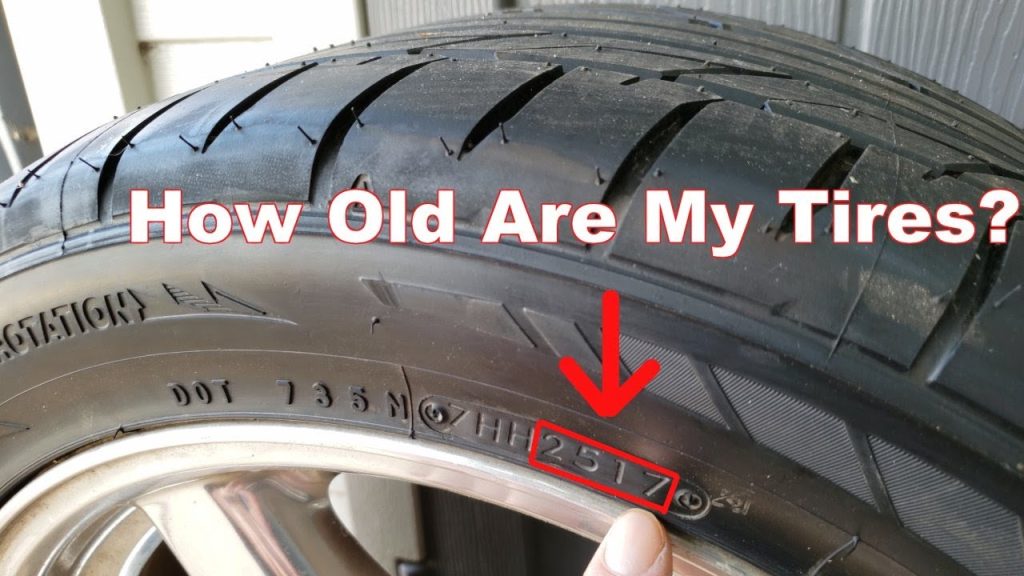
Look for the four-digit code that follows the letters DOT. It tells you the week and year the tyre was made. Rubber degrades over time even if the tread looks fine, so a tyre more than several years old may have hardened and lost grip, regardless of how new it appears.
Choosing the right type
Match the tyre to your climate and use. Summer tyres offer the best dry and wet grip but turn dangerous in the cold. Winter tyres transform a car in snow and ice. All-season tyres are a sensible compromise for mild climates. There is no single best tyre, only the best tyre for your conditions.
The bottom line
Five minutes spent reading your sidewall and matching tyres to your needs can dramatically improve your safety, your handling and your fuel economy. It is the cheapest performance upgrade available, and the most important one you can make.