Guides
Brake Fade Explained — and How to Stop It Ruining Your Lap
That sinking feeling when the brake pedal goes soft has a name and a cause. Understanding brake fade is the first step to preventing it.
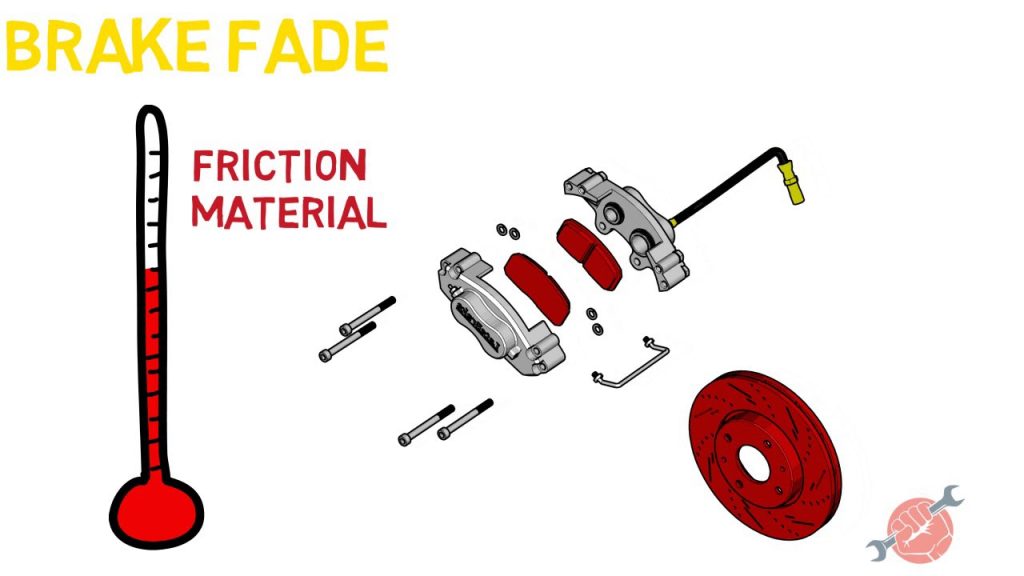
You are three laps into a track session, braking hard for a tight corner, when the pedal suddenly feels long and soft. The car is not slowing as it should. This is brake fade, and it is one of the most unnerving things a driver can experience. The good news is that it is well understood and largely preventable.
What is actually happening
Brakes work by converting kinetic energy into heat through friction. Under hard, repeated use, the components can get hotter than they were designed to handle. There are two main culprits: pad fade, where the friction material overheats and loses bite, and fluid fade, where the brake fluid boils and creates compressible vapour in the lines — which is the cause of that long, soft pedal.
The fluid problem
Brake fluid absorbs moisture over time, which lowers its boiling point. Old, water-laden fluid can boil at temperatures a fresh, high-specification fluid would shrug off. This is why fresh fluid with a high boiling point is the single most cost-effective upgrade before any track use.
Most brake fade on road cars is not a hardware failure — it is tired fluid and the wrong pads.
How to prevent it
Start with fresh, high-temperature brake fluid. Fit pads designed for higher temperatures if you track your car regularly. Improve cooling with ducting if the problem persists. And drive intelligently: avoid riding the brakes, brake hard and decisively rather than dragging them, and give the system a cool-down lap before coming into the pits.
The bottom line
Brake fade is a heat-management problem, not a mystery. With fresh fluid, the right pads and a smart driving style, you can keep a firm pedal lap after lap — and keep your confidence where it belongs.