Reviews
Why Turbocharged Engines Are Replacing Naturally Aspirated Motors
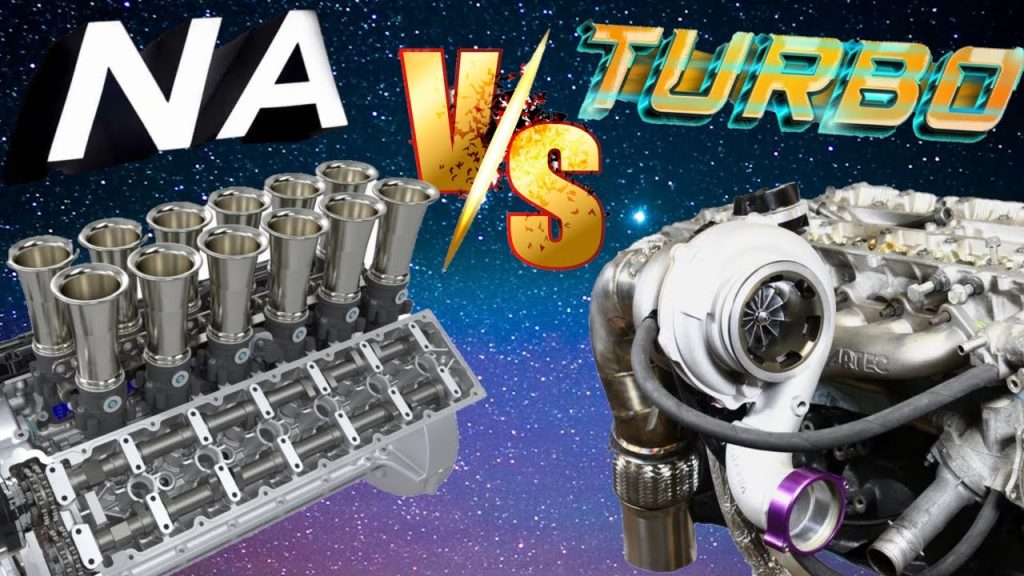
Open the hood of almost any new car today and you are likely to find a turbocharger nestled alongside the engine. The naturally aspirated engine, once the standard for everything from economy cars to supercars, is rapidly becoming an endangered species.
The primary driver is emissions regulations. Turbochargers allow automakers to downsize engines — replacing a 3.0-liter V6 with a 2.0-liter turbo four-cylinder, for example — while maintaining or even increasing power output. The smaller engine produces less CO2 during official testing cycles, helping manufacturers meet fleet-wide emissions targets.
Turbocharging also offers real-world benefits. Turbo engines produce peak torque across a much wider RPM range than naturally aspirated engines, making them feel more responsive in everyday driving. And at altitude, turbo engines maintain their performance while naturally aspirated engines lose power.
The downside is complexity. Turbo engines have more components — intercoolers, wastegates, blow-off valves — and generate more heat. This can impact long-term reliability. But for most buyers, the benefits of efficiency and torque outweigh these concerns.