Reviews
Regenerative Braking Systems: How EVs Recapture Energy
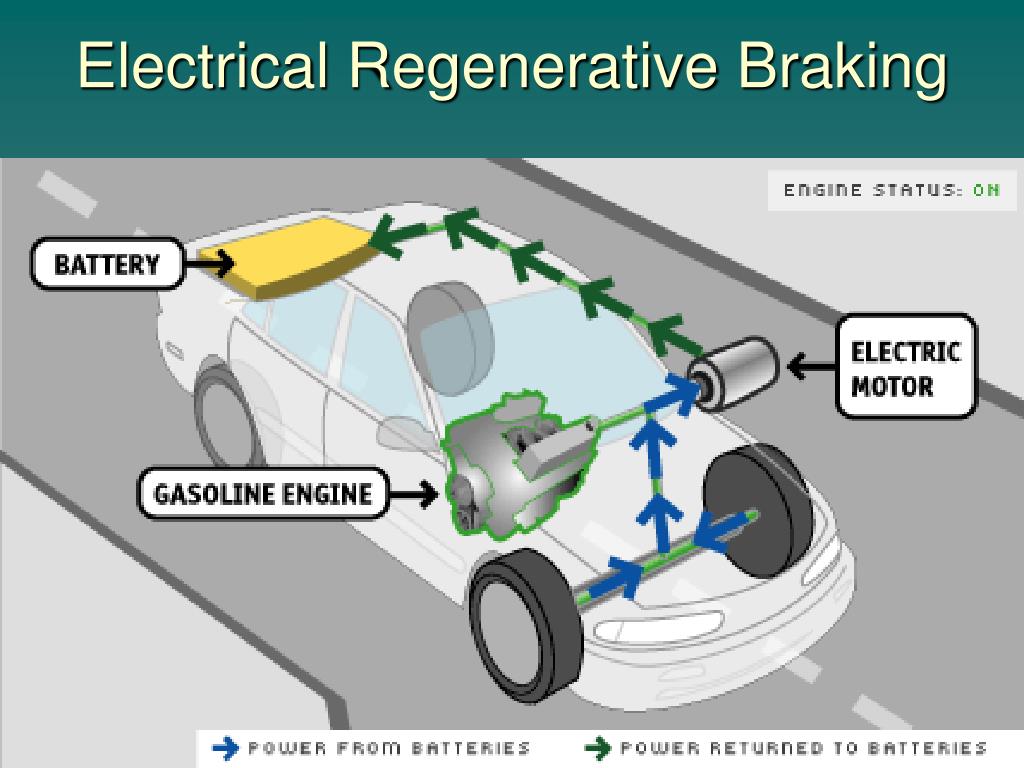
Regenerative braking is one of the defining technologies of the electric vehicle era, but its principles date back over a century. Modern implementations have refined it into a system that can recover up to 70% of the kinetic energy that would otherwise be lost as heat.
When you lift off the accelerator in an EV, the electric motor switches from propulsion mode to generator mode. The rotating wheels turn the motor, which generates electricity that is fed back into the battery pack. The magnetic resistance created by this process provides the braking force.
The efficiency of regen braking depends on several factors. At highway speeds, aerodynamic drag already accounts for much of the deceleration, so regen provides less additional benefit. At city speeds, regen can dramatically extend range — which is why EVs often have better city range ratings than highway ratings.
Modern EVs offer adjustable regen levels, from mild (similar to engine braking in a gas car) to aggressive (enabling one-pedal driving where the car slows to a complete stop without touching the brake pedal). Mastering one-pedal driving is one of the unique pleasures of EV ownership.