Reviews
Driver Assistance Systems: From Cruise Control to Autopilot
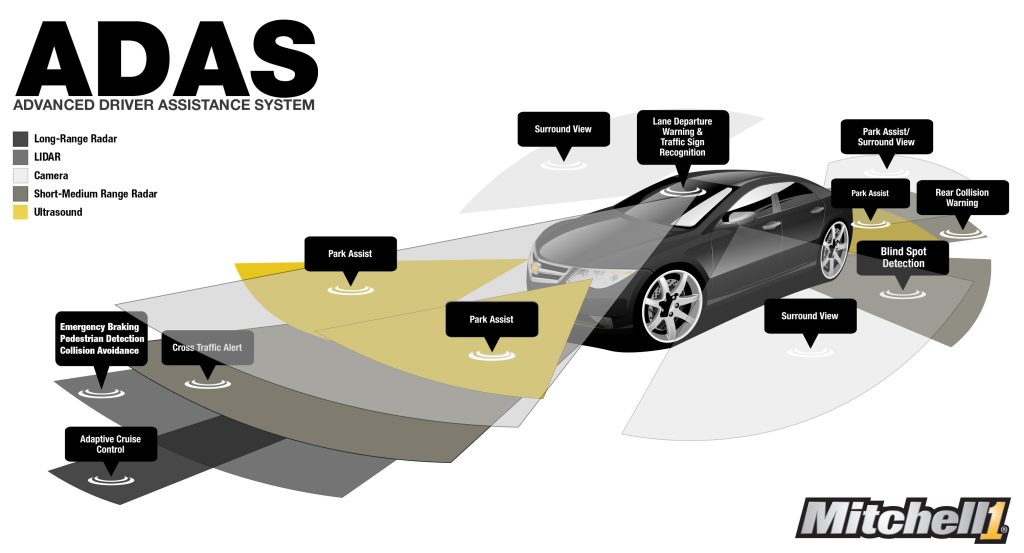
Modern cars are packed with driver assistance systems that would have seemed like science fiction just twenty years ago. Here is how we went from basic cruise control to near-autonomous driving.
Level 1 systems include adaptive cruise control (ACC) and lane-keeping assistance. ACC uses radar or cameras to maintain a set distance from the vehicle ahead, automatically accelerating and braking with traffic flow. Lane-keeping assistance gently corrects steering to prevent unintentional lane departure.
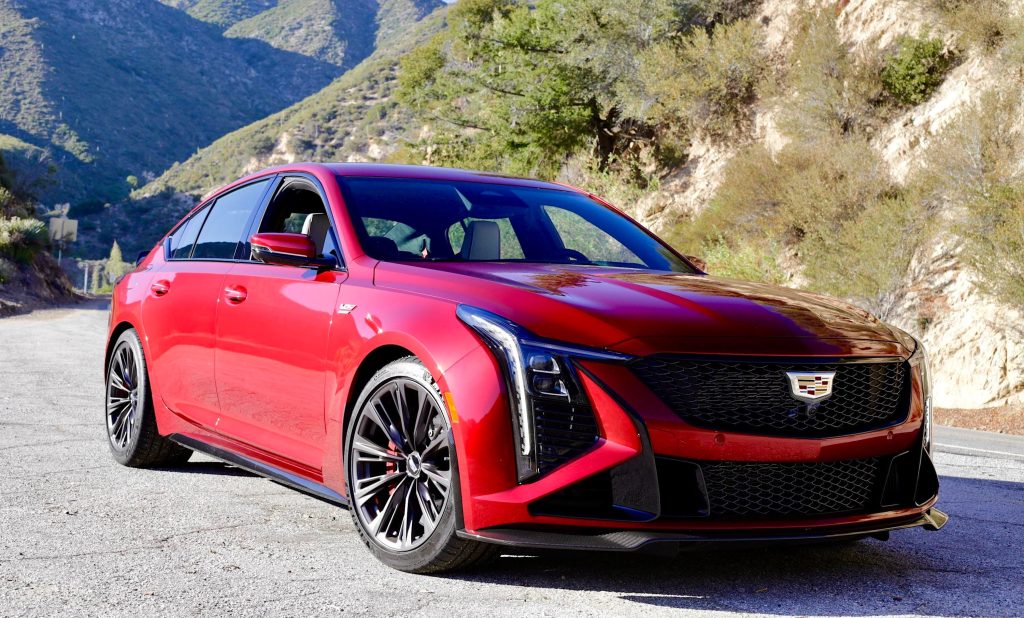
Level 2 combines ACC and lane-centering for hands-on automated driving. Systems like Tesla Autopilot, GM Super Cruise, and Ford BlueCruise can manage steering, acceleration, and braking simultaneously, but require the driver to remain attentive and ready to take over. Super Cruise and BlueCruise allow hands-free operation on pre-mapped highways.
Level 3 — conditionally autonomous driving — is the cutting edge. Mercedes-Benz Drive Pilot, available on the S-Class and EQS, allows the driver to take their eyes off the road in specific conditions (heavy traffic on highways, below 40 mph). The car assumes legal liability when engaged. This represents a fundamental shift in the relationship between driver and vehicle.